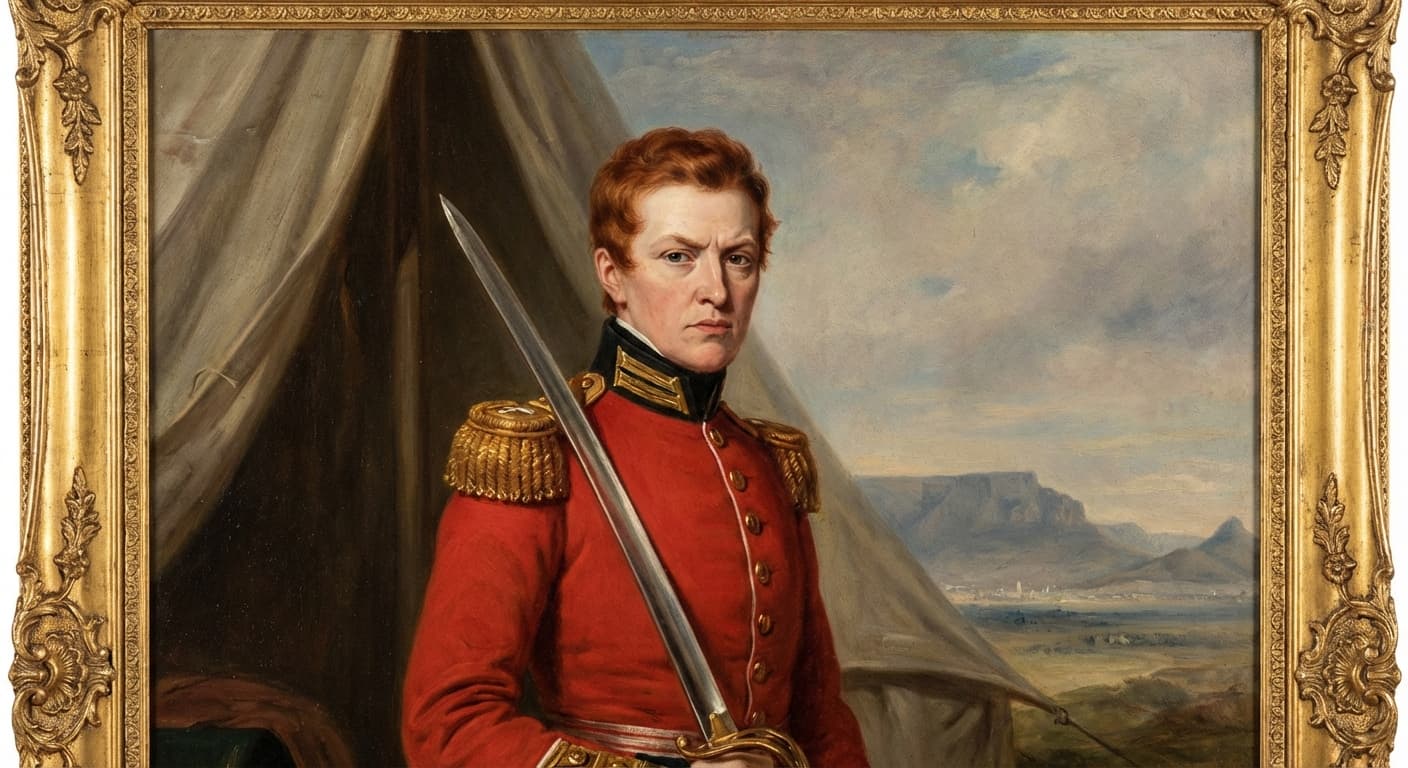
The Perfect Gentleman's Secret: The Double Life of Dr. James Barry
In the annals of the British Empire, few figures cut as eccentric a figure as Dr. James Barry. Rising to the rank of Inspector General in charge of military hospitals, Barry was known across the globe—from Cape Town to the Caribbean, and from Malta to Canada—as a brilliant surgeon, a tireless advocate for the downtrodden, and a man with a temper so explosive that he once challenged a fellow officer to a duel over a comment about his voice. Standing barely five feet tall, with delicate features, tiny hands, and a penchant for wearing stacked heels and oversized military coats, Barry was a curiosity. Yet, his skill with a scalpel was undeniable, and his influence on public health was profound. But it was only upon his death in 1865 that the Victorian world learned the shocking truth: Dr. James Barry, the most irascible bachelor in the British Army, was biologically female.
Throughout the first half of the 19th century, Barry navigated the hyper-masculine world of the British military with a distinct swagger. He carried a large sword and was quick to use his riding crop on anyone who disrespected him. His irritability was legendary; he famously threw a medicine bottle at Florence Nightingale, who later described him as the most hardened creature she had ever met. Despite his abrasive personality, Barry was a visionary medical reformer. Decades before the acceptance of germ theory, he obsessed over hygiene, clean water, and diet. In Cape Town, he performed one of the first known successful Caesarean sections in which both the mother and child survived—a medical miracle in the 1820s.
Barry’s crusade for cleanliness wasn't limited to the elite. He was unusual for his time in that he treated the rich and the poor, the colonizer and the enslaved, with equal rigor. He railed against the squalid conditions in barracks and prisons, making powerful enemies in the government who viewed his demands for better food and sanitation as an expensive nuisance. Yet, his results spoke for themselves. Wherever Barry went, survival rates improved. He was a force of nature, protected by his undeniable competence and, rumors suggested, high-ranking patronage.
For nearly fifty years, Barry maintained a wall of absolute privacy. He never allowed anyone into his dressing room, always slept with a light on, and left strict instructions that, upon his death, he was to be buried immediately in the clothes he died in, without being washed or examined. When he died of dysentery in London in July 1865, those instructions were ignored. The charwoman who laid out the body made the discovery. She revealed that the Inspector General was a woman and, furthermore, had stretch marks on her abdomen indicating she had once carried a child.
The British Army was mortified. In the rigid gender hierarchy of the 19th century, the idea that a woman could not only pass as a man but outperform her male peers in the grueling field of military medicine was scandalous. They immediately placed an embargo on Barry’s records, burying the story for a hundred years. It wasn't until modern researchers began digging into the archives that the likely identity of Dr. Barry was revealed: Margaret Ann Bulkley. Born in Cork, Ireland, Bulkley had hatched a daring plan with the help of her liberal-minded uncle, the artist James Barry, and some of his influential friends. In a world that barred women from university, she dissolved her identity to pursue a medical education in Edinburgh.
The transformation was total. Margaret Ann Bulkley ceased to exist, and James Barry took her place, maintaining the deception for a lifetime to do the work she loved. The aggressive, prickly persona may well have been a necessary armor, a way to keep people at arm's length to protect the secret. Today, Dr. James Barry is recognized not just as a pioneer of public health who improved the lives of countless soldiers and civilians, but as a trailblazer who defied the strictest social conventions of the Victorian era. Whether viewed as a trans man or a woman who made an impossible sacrifice for her vocation, Barry remains one of the most fascinating enigmas of the 19th century.